

SERVING THE GTA, DURHAM REGION, AND YORK REGION
Virgin Vinyl (uPVC) for Windows & Doors |
Omega Windows & Doors Manufacturing
LOCATED IN SCARBOROUGH | FAMILY-OWNED SINCE 1989
Virgin vinyl refers to first-run uPVC frame material that has not been remelted from earlier vinyl products. A more controlled starting compound can support frame consistency, finish quality, and long-term appearance.
When comparing windows and doors, the frame material is only part of the story. Chamber design, fusion-welded corners, weather seals, reinforcement where required, and the glass package all help shape comfort, durability, and energy performance in an Ontario home.
Canadian Made | Factory-Trained Installation | ENERGY STAR® Products
uPVC at a Glance
- Virgin vinyl means first-run uPVC compound with no prior melt history.
- uPVC is the rigid vinyl material commonly used in many modern window and door frames.
- Material consistency matters, but whole-system performance also depends on glazing, sealing, hardware, and installation.
- Multi-chamber profiles, fusion-welded corners, and reinforcement where required are worth comparing.
- For Ontario homes, comfort and durability come from the full system working together through seasonal weather changes.
What Is Virgin Vinyl (uPVC)?
Virgin vinyl and uPVC are closely related, but they are not the same term. uPVC stands for unplasticized polyvinyl chloride, a rigid vinyl material used to form many window and door frame profiles. Virgin vinyl describes the starting compound. When a frame is described as virgin vinyl, it means the compound was made from first-run material rather than from previously melted and reprocessed vinyl.
What “No Prior Melt History” Means
In simple terms, no prior melt history means the compound has not already been used in another vinyl product, ground up, and introduced again. That can matter because recycled or regrind content may vary based on the feedstock, mix, and earlier processing history. A first-run compound gives manufacturers a more controlled starting point.
Why uPVC Is Used in Window and Door Frames
uPVC remains a popular frame material because it is low maintenance, resistant to rot and corrosion, easy to clean, and well suited to multi-chamber profile design. For homeowners, that translates into a practical combination of durability, comfort, and simpler upkeep when the complete system is well built.
What to Look for Beyond the Material
A strong frame material does not guarantee a strong finished product on its own. It is worth looking at how the frame is designed, how the corners are joined, where reinforcement is used, how the system is sealed, and what glass package is being specified. Those details help explain how a window or door is expected to perform over time.
Virgin Vinyl vs Recycled Vinyl
Many homeowners ask whether virgin vinyl is better than recycled vinyl. The most useful answer is a balanced one. Virgin vinyl gives manufacturers a more predictable starting compound. Recycled or regrind content can introduce more variation because the material may already have gone through earlier processing cycles. That difference can affect consistency, but the finished system still depends on how the full unit is designed, fabricated, glazed, sealed, and installed.
The Better Question to Ask
Instead of asking which material claim sounds strongest on its own, ask how consistently the full window or door system is built. The best answer should connect frame material to chamber design, welded corners, glazing, weather seals, hardware, and warranty clarity.
Why It Matters in Ontario Homes
Ontario homes see cold winters, humid summers, freeze-thaw cycles, and regular swings in temperature. A frame material that sounds good in a brochure still needs to support stable, dependable everyday use in those real conditions.
Seasonal Movement and Everyday Operation
Frames expand and contract as temperatures change. A more controlled starting compound can help support dimensional stability, while thoughtful profile design and fabrication help the finished unit operate more smoothly over time. Homeowners often notice this in simple ways, such as how the sash closes, how the lock aligns, and how the unit feels after years of weather exposure.
Comfort Depends on the Frame and the Glass Package
A good frame helps, but comfort is shaped by the whole system. Glass package, spacer system, air leakage control, weather seals, and installation quality all play a role in how a window or door performs through the seasons. For homeowners comparing higher-efficiency options, our Energy Plus triple-pane windows show how frame design and glazing work together.
Finish Quality and Long-Term Upkeep
Sunlight, moisture, and outdoor exposure all affect exterior materials. Quality formulation and processing help support colour stability and finish quality over time. It is better to ask how the frame is formulated and built than to rely on broad promises that sound good but explain very little.
How Omega Engineers the System
The more useful question for homeowners is not just what the frame is made from. It is how that material is turned into a complete window or door system built for everyday comfort, durability, and low upkeep.
Multi-Chamber Profiles
Multi-chamber frame and sash profiles create separated air spaces within the extrusion. Those chambers help reduce direct heat transfer through the frame and support thermal performance as part of the overall unit design. You can see this approach in our narrow-frame vinyl windows, where slim sightlines and multi-chamber design work together.
Reinforcement Where Required
Not every opening has the same structural demands. Reinforcement where required helps match the frame system to the size, layout, and use of the unit. That is a more dependable approach than treating every opening the same way.
Fusion-Welded Corners
Fusion-welded corners help create clean, integrated frame joints. They are an important quality signal in vinyl windows and doors because corner integrity affects fit, strength, and weather resistance over time.
Seals, Hardware, and Everyday Use
Frame quality alone does not stop drafts or create smooth operation. Weather seals, interlocks, hardware integration, and fabrication tolerances all help determine how the unit closes, locks, and performs day after day.
What to Compare Before You Choose a Window or Door System
Material is a smart place to start, but it should not be the only thing you compare. A better buying decision comes from looking at the full assembly and the way it is expected to perform in your home.
Understand the Performance Terms
When comparing products, it helps to understand a few common performance terms. U-factor relates to heat loss. Solar Heat Gain Coefficient, or SHGC, relates to how much solar heat passes through the glazing. Air leakage helps describe how tightly the unit resists unwanted airflow. In Canada, Energy Rating, or ER, is another useful comparison concept because it weighs heat loss, solar gain, and air leakage together.
Compare the Full Assembly, Not Just the Frame Compound
Ask how the frame is designed, how the corners are joined, where reinforcement is used, how the system is sealed, and what glazing package is being specified. A strong answer should connect these elements clearly, without relying on vague marketing language.
Remember That Ratings Still Need Context
Numbers matter, but they should be considered alongside the opening size, glass configuration, orientation, and installation method. The same frame story can lead to different results depending on how the full system is specified. When you are ready to browse by category, you can compare Omega product options in one place.
Look at Ownership as Well as Performance
It is also worth asking how the finish is expected to hold up, how the frame should be cleaned, and what the warranty clearly covers. A trustworthy conversation should be specific, calm, and easy to verify.
Where This Material Shows Up Across Omega Products
Different window and door styles use the same frame material in different ways. When you are ready to compare operating styles, glazing options, and opening-specific features, the related product pages can help narrow the choice.
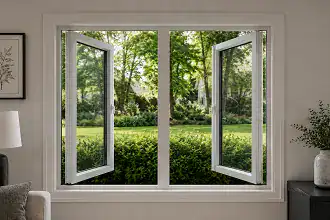
Casement Windows
For homeowners focused on ventilation, compression seals, and everyday operability, casement windows are a natural next step.
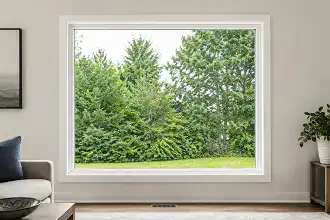
Fixed Windows
For larger glass areas and non-operable openings, fixed windows highlight how frame design and insulated glass work together.
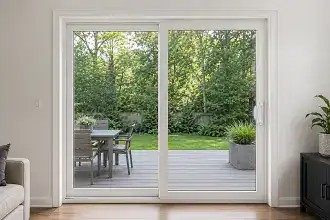
Patio Doors
For wider openings and indoor-outdoor access, patio doors show how frame quality, glazing, and hardware all matter together.
Talk to Omega About the Right System for Your Home
If you are comparing materials or planning a replacement project, the next step is to look at the complete unit, not just one material claim. The right frame, glazing, sealing strategy, and operating style should all match the opening and the way you use the space.
Virgin Vinyl (uPVC) FAQs for Windows and Doors
Choosing vinyl windows and doors often starts with the frame material, but product quality is bigger than one label. These FAQs explain how virgin vinyl and uPVC relate to frame consistency, durability, maintenance, and thermal performance, while also helping homeowners compare the details that affect everyday comfort.
When reviewing window and door options, it is worth looking beyond the frame compound alone. Profile design, insulated glass, weather sealing, hardware, fabrication standards, and installation quality all work together to shape long-term performance.
How to Evaluate Virgin Vinyl Window and Door Frames
Homeowners comparing uPVC windows and doors usually want simple answers to practical questions: what virgin vinyl means, how it compares with recycled content, and whether it affects appearance, efficiency, or lifespan. This section keeps the focus on real buying considerations rather than broad marketing claims.
A better comparison looks at the full unit, not just the material name. Well-designed vinyl window frames, multi-chamber profiles, quality seals, and proper installation all play a role in how a window or door performs over time.
What does virgin vinyl mean in windows?
It means the uPVC frame compound is first-run material that has not already been melted and reprocessed from earlier vinyl products.
Is uPVC the same as vinyl?
uPVC is a rigid form of vinyl used in many window and door frame systems. In everyday use, homeowners often still refer to these products as vinyl windows or vinyl doors.
Is virgin vinyl always better?
It is more accurate to say that virgin vinyl offers a more predictable starting compound. Finished performance still depends on formulation, profile design, welded construction, glazing, sealing, hardware, and installation quality.
Will uPVC yellow over time?
No frame material should be described with absolutes. Long-term appearance depends on formulation, UV stabilizers, processing quality, exposure conditions, and ongoing care.
Do multi-chamber frames improve insulation?
They can help by creating separated air spaces within the frame and sash, but whole-window performance still depends heavily on the glass package, seals, and overall design.
Does frame material alone determine energy efficiency?
No. The frame matters, but energy performance is shaped by the complete system, including glazing, spacer system, air leakage control, and installation.
Is virgin uPVC a good fit for Ontario homes?
Yes, it can be a strong fit when it is part of a properly engineered system built for seasonal temperature swings, weather exposure, and long-term everyday use.